Displaced Wolves Invade Finnish Villages as Google Halts AI Data Center Work
Unauthorized forest clearing for new data centers has forced local wildlife into residential areas, prompting regulatory orders to stop construction and renewed scrutiny of the tech giant's environmental impact.
By Anna Nowak ·
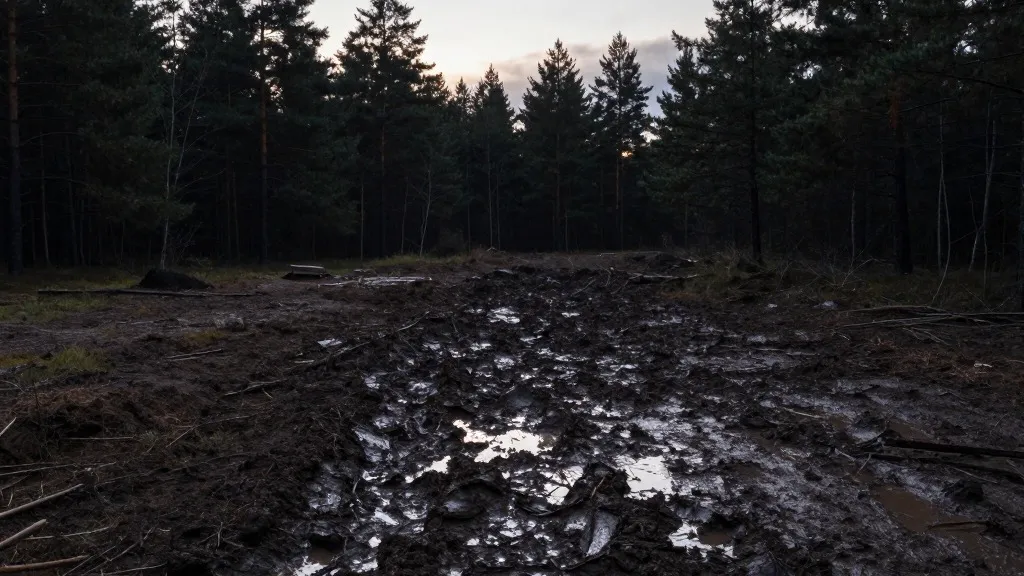
Wolves have begun roaming into Finnish villages after the destruction of their natural habitat near the coast.
The shift in wildlife patterns has emerged as a direct consequence of extensive land clearing undertaken by Google for the construction of artificial intelligence data centers. The American technology company’s operations near the town of Muhos and the village of Otanmäki have resulted in the removal of approximately 1,300 acres of forest. This significant loss of green space has left the area largely as an expanse of mud, displacing the wolf packs that previously relied on the dense woodland for shelter and hunting grounds.
Regulatory bodies in Finland have intervened due to concerns that Google bypassed standard environmental protections in its haste to establish new infrastructure. The Finnish Licensing and Supervision Authority (LVV) issued an order requiring the company to cease work in the affected areas, which are located roughly 55 miles southeast of Otanmäki. Google’s Finland country manager has issued a public apology for the unauthorized clearings, acknowledging the scale of the environmental alteration. The intervention follows a notice given earlier this month by the government to halt construction activities in Muhos and Kajaani.
Local residents report that the loss of the forest has pushed wild animals out of their usual territories and into the countryside communities. Anni Ranta, 53, a resident of Otanmäki whose family has lived there for generations, noted that wolves are now entering the village because the wild animals have moved out of the forest. This development has raised serious safety concerns for families living in these rural areas. Ranta also expressed fear that the presence of U.S.-owned data centers could make Finland a more attractive target for Russian aggression, adding a geopolitical layer to the local dispute.
The Finnish Association for Nature Conservation (SLL) has described Google’s handling of environmental policy as unprecedented and clear in its disregard for regulations. Beyond the arrival of wolves, locals have cited other negative impacts, including persistent construction noise, streams turning brown, and the displacement of rare bird species. These complaints mirror similar grievances raised in other countries where AI data center development has proceeded rapidly, often leading to friction between tech developers and local ecosystems.
Despite the regulatory orders and local backlash, a Google spokesperson maintained a positive outlook regarding the company’s relationship with Finnish authorities. The representative stated that the company will fully comply with the LVV’s requests and looks forward to maintaining an active dialogue to strengthen its partnership with Finland and local organizations. The company appears to be banking on the long-term business benefits of the data centers to sway regulators and the government in its favor.
The situation now stands at a critical juncture where Google must halt its current development efforts while engaging with authorities. The outcome of this dialogue will likely determine the pace of future AI infrastructure projects in the region. For now, the displaced wildlife continues to navigate the altered landscape, and local communities remain on alert for the presence of large predators in their neighborhoods.
Source: Tom's Hardware