Tiny Robots with Big Ambitions: Microducks Top 20,000 Preorders After Viral Demo
The adorable Microduck robots have surged in popularity following a live demonstration by Nvidia’s CEO, positioning themselves as a potential holiday sensation for both children and adults.
By Arjun Patel ·
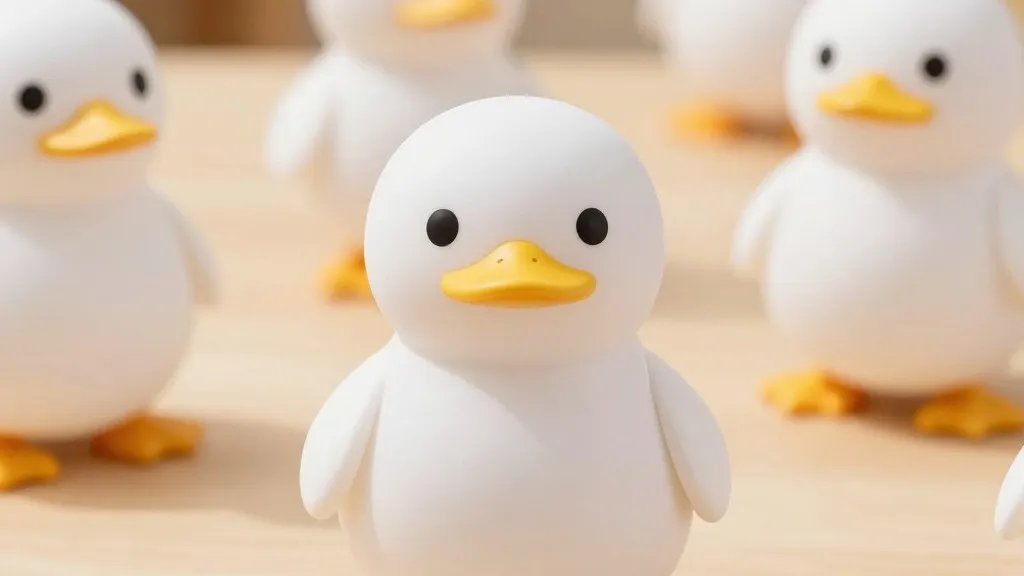
The AI industry has recently faced a barrage of criticism, with cyberattacks and system failures dominating headlines. Yet, amidst this week of digital turbulence, a lighter note emerged from the stage. Videos of Nvidia CEO Jensen Huang interacting with a flock of small, waddling robots during his keynote at GTC Berlin have captured the public imagination. The clip, which shows the devices stumbling, performing somersaults, and emitting mechanical beeps, quickly spread across social media, turning a technical presentation into a viral moment of pure charm.
The immediate commercial impact was significant. According to Clem Delangue, head of Hugging Face, preorders for the Microducks exceeded 20,000 units within 24 hours of the demonstration. This rapid uptake suggests that the device is poised to become a dominant force in the holiday market. Delangue has suggested that these robots could end up being the best-selling robotic devices of the year, noting that marketing materials feature adults playing with them as enthusiastically as children do.
The timeline for delivery aligns perfectly with the Christmas season. Manufacturers are working to ensure the units arrive in time for the holidays, meaning the novelty factor will be fresh for gift-givers. If the current momentum holds, the Microducks may define the toy landscape for the coming winter, challenging traditional electronics and plush toys for shelf space and consumer attention.
Behind the cuteness lies a complex corporate lineage. The Microducks are open-source devices originally created by Pollen Robotics. That company was acquired by Hugging Face in 2025, a deal that placed the robotics startup under the umbrella of Nvidia, which purchased Hugging Face in September. This acquisition chain means the robots are now part of the GPU giant's portfolio. It is worth noting that this is not Hugging Face’s first foray into robotics; the company previously released the Reachy Mini, another cute and capable device.
The technology powering the Microducks relies heavily on Nvidia’s internal tools. The robots were trained using the company’s simulation stack, where virtual models learned fundamental movements like walking, sitting, and standing. These pre-programmed tricks are what users see out of the box. However, the open-source nature of the device allows owners to go further. Pollen states that users can teach their specific units new behaviors and share those custom routines with the wider community, creating a collaborative ecosystem around the hardware.
There are still open questions about how the device will perform in real-world households compared to the controlled stage of a tech conference. While the viral video highlights the fun factor, the long-term durability and user retention rates remain to be seen. Nevertheless, the initial reception suggests that in a year where AI has often felt intimidating or intrusive, consumers are eager for a technology that is accessible, playful, and undeniably cute.
Source: TechCrunch